

When you taste pasta in Italy, it always seems different—richer, more flavorful, somehow complete. The good news is, you don’t need to be in Rome or Naples to enjoy that same experience at home. Cooking pasta the right way comes down to understanding a few timeless principles that Italians have been following for generations.
If you want to cook pasta like an Italian grandmother, it comes down to two simple rules: use a large pot of aggressively salted water and finish cooking the pasta in the sauce.
Master these two things, and you’ll transform your weeknight spaghetti from just “good” into something truly restaurant-quality.
Forget the myths you’ve heard—no oil in the pot, no rinsing noodles under cold water. Instead, let’s walk through the real techniques that separate average spaghetti from a dish that tastes like it came straight from a trattoria.
Rule #1: Salt the Water Like the Sea
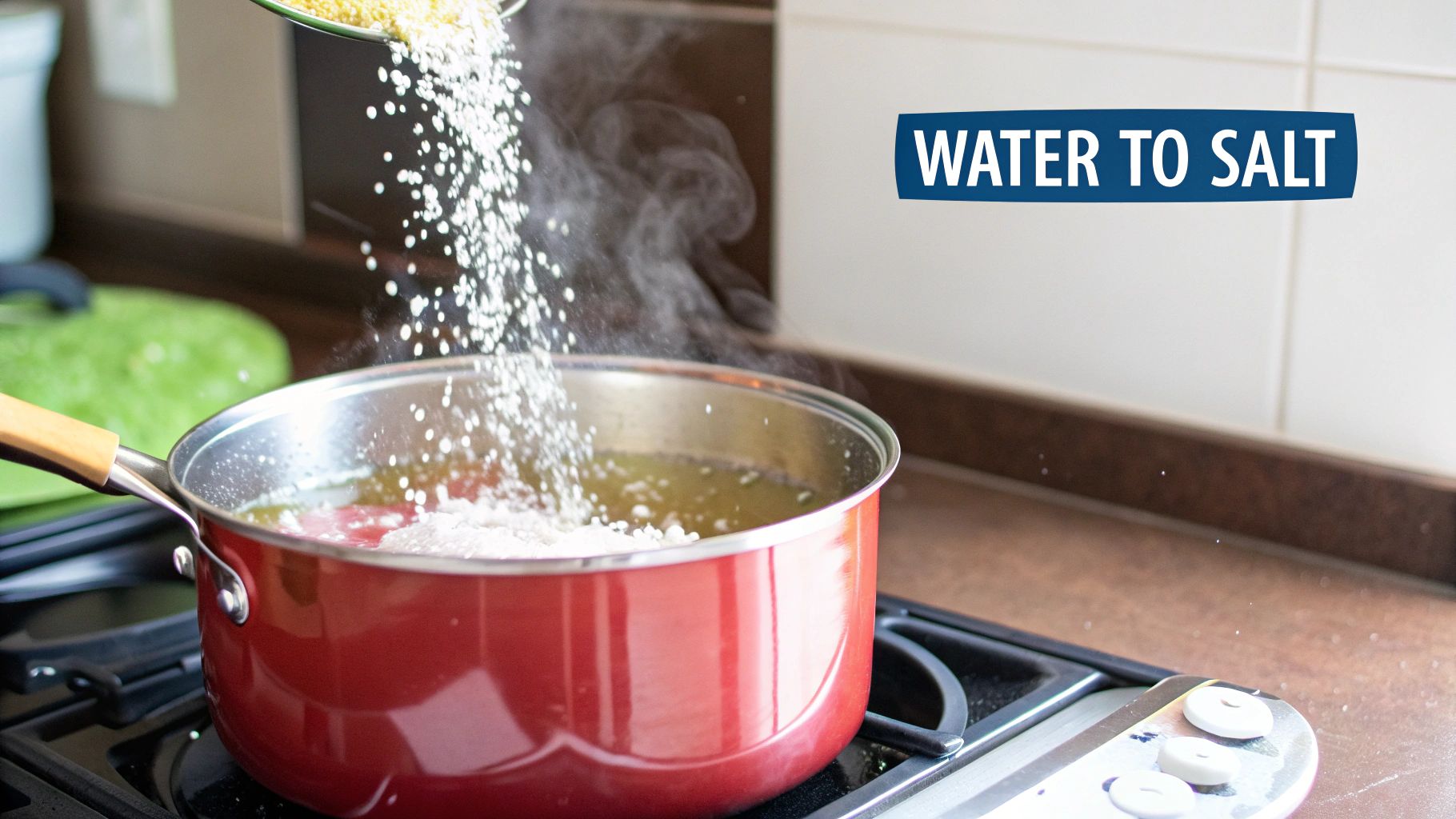
The first step is seasoning the pasta itself. Italians often say “L’acqua deve sapere di mare”—the water should taste like the sea.
That means more salt than most home cooks dare to use. Aim for about 10–15 grams per liter of water (roughly 2–3 teaspoons per quart). And don’t hold back on the water either. Pasta needs space to move freely, so go with at least 4–6 quarts of water per pound of pasta.
This way, the noodles absorb a delicate seasoning from within, giving depth of flavor no sauce can replace.
Rule #2: Choose the Right Pasta
Not all pasta is created equal. Brands like Barilla or De Cecco are reliable for everyday cooking, but if you want to elevate your dish, try a bronze-cut pasta.
Bronze-die pasta has a slightly rough texture that clings to sauce instead of letting it slide away. That little detail makes every bite more flavorful and satisfying.
💡 Tip: At Maveataly, we feature artisanal options such as La Fabbrica della Pasta di Gragnano, where pasta is made in Naples & Granoro, from lovely Puglia, using centuries-old traditions. It’s an authentic upgrade that’s worth every bite.
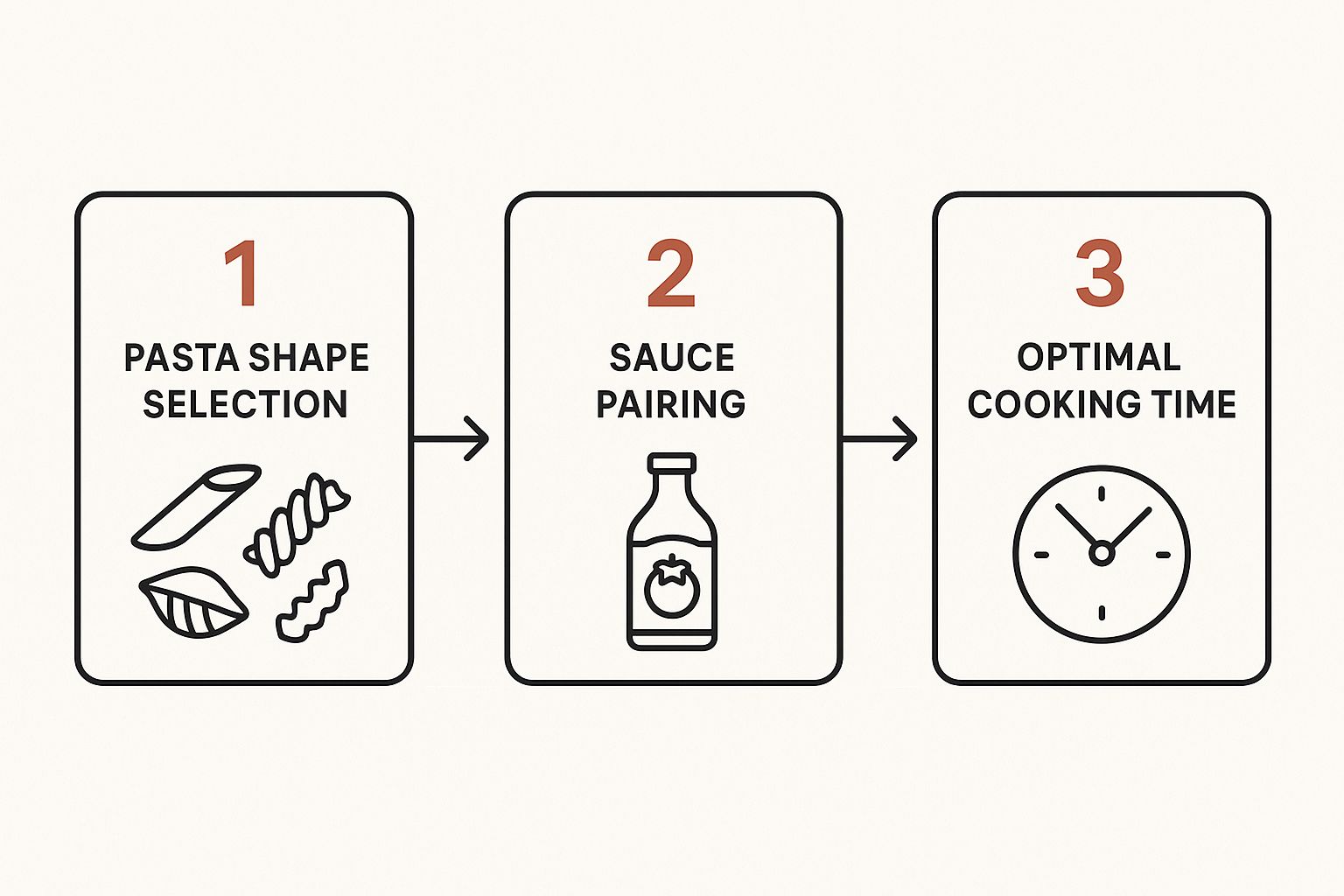
Pasta Cooking Quick Reference Guide
| Element | Recommended Amount | Why It Matters |
|---|---|---|
| Water Volume | 4-6 quarts per pound of pasta | Prevents sticking and ensures even cooking. |
| Salt Ratio | 10-15g per liter of water | Seasons the pasta from the inside out. |
| Cooking Time | 1-2 minutes less than box time | Allows pasta to finish cooking in the sauce. |
| Reserved Water | About 1 cup | The starchy water helps emulsify and thicken the sauce. |
Think of these numbers not as strict rules but as your starting point for consistently delicious pasta every single time. We’d love to hear if you use a different water-to-pasta or salt ratio—share your experiences in the comments!
Nailing That Perfect “Al Dente” Bite
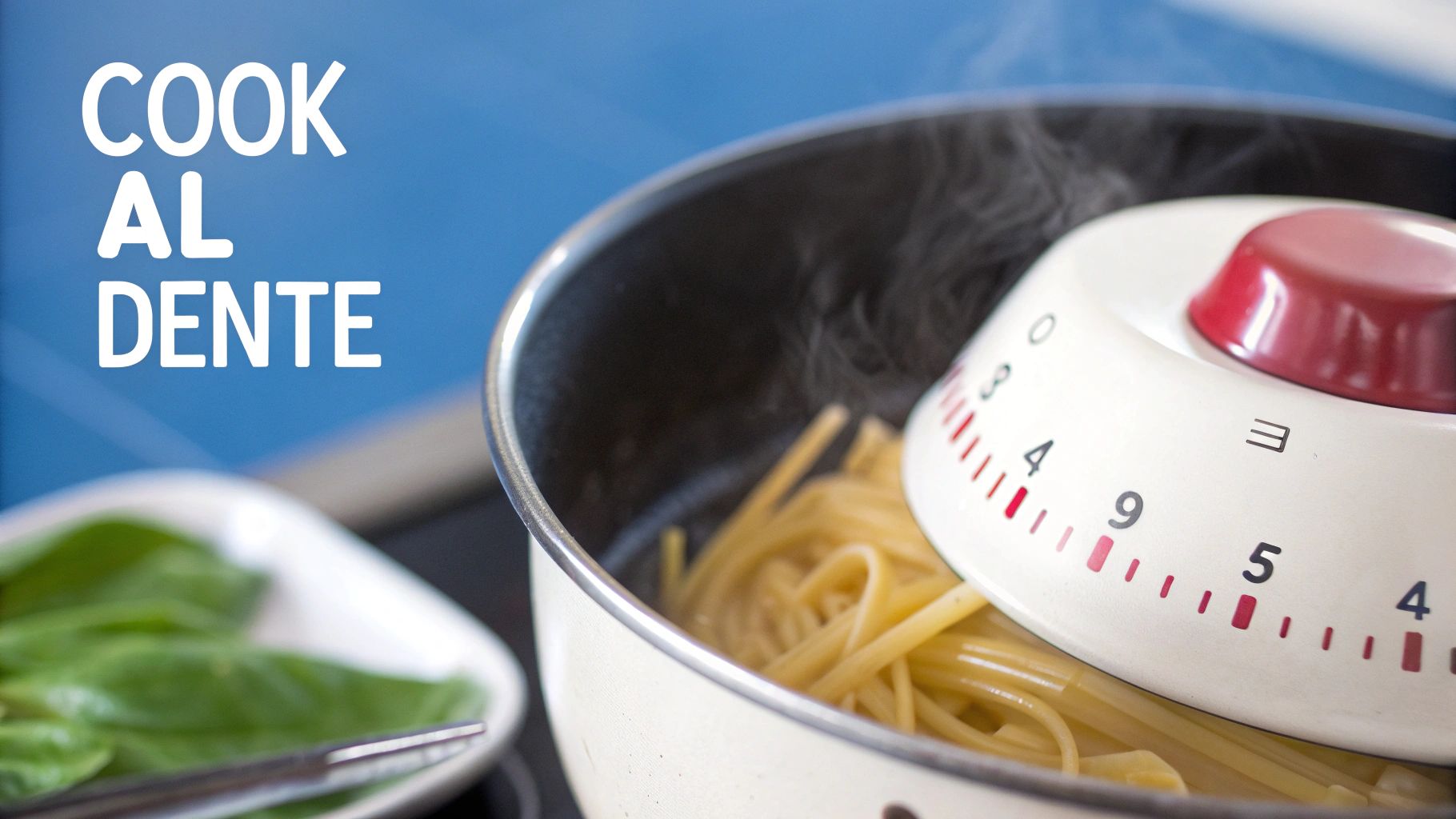
The phrase al dente—literally “to the tooth”—isn’t just a suggestion, it’s the Italian gold standard. Pasta should be tender on the outside but still offer a gentle bite in the center.
Here’s the trick: treat the cooking time on the box as a guideline, not gospel. Set your timer for two minutes less than the package suggests, then start tasting. You’ll quickly learn when the pasta has reached that perfect balance between soft and firm.
Don’t Drain and Walk Away—Finish in the Sauce
Here’s the step that separates home cooking from restaurant-quality pasta: finish it in the pan with your sauce. Italians call this mantecatura.
Use tongs or a strainer to transfer the pasta straight from the pot into your simmering sauce.
Add a splash of the starchy cooking water you saved—this is “liquid gold” that helps bind pasta and sauce together.
Toss everything gently over low heat until the sauce coats each noodle like silk.
For an even richer finish, you can add a knob of cold butter or a final drizzle of high-quality olive oil at the very end. To understand why authentic ingredients make such a big difference, you can explore the story of Italian extra-virgin olive oil and see how it completely elevates a dish.
The biggest mistake you can make is walking away from the pot and blindly trusting the box. Tasting is the only foolproof way to guarantee perfect al dente pasta, every single time.
Why Different Brands Cook Differently
Experience has taught me that not all pastas are created equal, even when they look identical. I’ve found that some store brands turn to mush in the blink of an eye, while premium Italian imports hold their own.
- Standard Brands (e.g., Barilla, Creamette): These are solid, widely available choices, but they often cook faster than the box says. Many home cooks start checking them 2-3 minutes early.
- Premium Brands (e.g., La Fabbrica Della Pasta, Granoro, De Cecco, Rummo): These are typically made with high-quality durum wheat and bronze dies, giving them a more robust texture. They often need the full cooking time, sometimes even a minute more, and are known for holding up well to sauces.
Have you noticed a big difference between brands? What’s your go-to pasta for getting that perfect bite? Let us know in the comments—we’d love to hear what works in your kitchen.
Adjusting for Fresh, Whole Wheat, or Gluten-Free Pasta
Different types of pasta need different care:
Fresh Egg Pasta (like tagliatelle): cooks in just 2–4 minutes. Pull it as soon as it floats.
Dry Semolina Pasta: the most forgiving, usually 8–12 minutes. Start tasting two minutes early.
Whole-Wheat Pasta: often requires extra time and water, with a nutty flavor that pairs well with hearty sauces.
Gluten-Free Pasta: watch carefully—it can go from perfect to mush in less than a minute. Taste early and often.
Troubleshooting Common Pasta Problems
Sticky pasta → usually from not using enough water or skipping the first stir. Solution: stir well in the first minute, and give pasta room to move.
Sauce sliding off → happens if you rinse your pasta or forget to use cooking water. Keep that starch; it’s your best emulsifier.
Overcooked noodles → trust your teeth, not the box. Always taste before draining.
Finishing pasta in the pan isn’t just a fancy trick; it’s a fundamental technique that infuses flavor directly into the noodles while creating a perfectly silky, unified sauce.
We find this method works wonders with everything from a simple aglio e olio to a slow-cooked ragù. La mantecatura creates a superior result, every single time.
What are your experiences with this technique? Have you found that certain sauces or pasta brands work better than others? Share your favorite finishing moves in the comments below.
Adapting Your Technique for Different Pasta Types
Let’s be honest: not all pasta is created equal. A common mistake I see home cooks make is treating every box the same. You just can’t cook delicate fresh tagliatelle the same way you’d handle a box of hearty, whole-wheat penne and expect perfect results. It’s a recipe for a mushy, disappointing meal.
The biggest divide is between fresh and dry pasta. Fresh, egg-based pasta like ravioli or fettuccine cooks in a flash—we’re talking 2-4 minutes max. It’s already hydrated, so it just needs to be heated through.
On the other hand, standard dry pasta from brands like Barilla or De Cecco needs a much longer boil, usually somewhere between 8-12 minutes, to hit that perfect al dente sweet spot. It all comes down to moisture content.
Adjusting for Modern Pasta Varieties
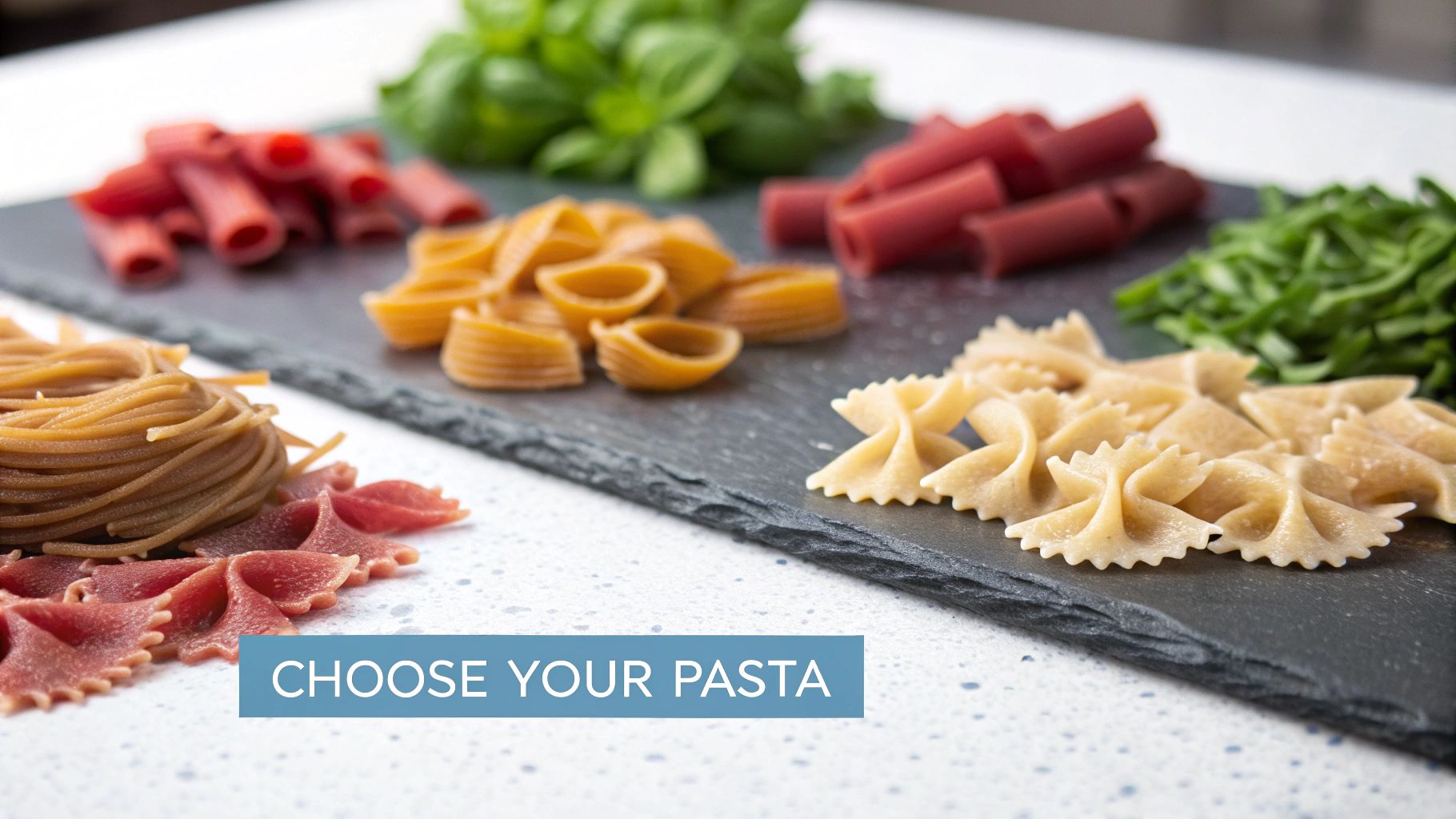
The pasta aisle isn’t what it used to be. It’s exploded with options far beyond traditional semolina, which is great, but it also means we need to adapt. Gluten-free, whole-grain, and plant-based pastas all have unique textures and absorb water differently.
If you want to dig deeper into this trend, it’s worth reviewing consumer behavior statistics on renub.com to see just how much the market has grown.
- Whole-Wheat Pasta: This type often needs a few extra minutes in the pot. Its nutty, earthy flavor also stands up beautifully to more robust sauces. Don’t be shy with flavor here.
- Gluten-Free Pasta: Made from corn, rice, or quinoa, these can go from perfectly firm to a pile of mush in a heartbeat. Brands like Jovial and Barilla Gluten Free are popular, but it’s critical to start tasting them a few minutes early. If you’re exploring this world, there are some fantastic high-quality gluten-free pasta options available now that hold their texture remarkably well.
Have you had a gluten-free pasta disaster, or have you found a brand that cooks perfectly every time? Share your experiences and your favorite products in the comments below—your tips could help another home cook!
Navigating the different cooking times for these modern pastas can feel a bit like guesswork at first. To give you a clearer picture, here’s a quick comparison of what to expect.
Cooking Time Comparison for Different Pasta Types
This table breaks down the average cooking times and key considerations for some of the most common pasta types you’ll find in stores today.
| Pasta Type | Average Cooking Time | Key Tip |
|---|---|---|
| Fresh Egg Pasta | 2-4 minutes | Cooks very fast. Pull it out the second it floats to the top. |
| Standard Dry Semolina Pasta | 8-12 minutes | The most forgiving. Start tasting 2 minutes before the box time. |
| Whole-Wheat Pasta | 10-14 minutes | Often needs more time and water. Can taste “gritty” if undercooked. |
| Gluten-Free (Corn/Rice) | 7-10 minutes | Watch it like a hawk. It can overcook in less than a minute. |
| Bronze-Die Pasta | 9-13 minutes | Has a rougher texture that needs time to soften. Don’t rush it. |
Remember, these are just guidelines. The thickness of the cut and your own stove will always play a role in the final timing.
Ultimately, the instructions on the package are just a suggestion. Your best tools will always be a timer and your own taste. Start tasting a noodle a couple of minutes before the package recommends. This simple step gives you complete control over the final texture, ensuring you get that perfect bite every single time, no matter what kind of pasta you’re cooking.
Troubleshooting Common Pasta Problems
We’ve all been there. You were aiming for a beautiful plate of spaghetti and ended up with a sticky, singular clump. Or maybe your sauce just slid right off the noodles, pooling sadly at the bottom of the bowl.
Don’t worry, most pasta mishaps are incredibly common and, thankfully, easy to fix—and even easier to prevent once you know the secrets.
The Sticky, Clumpy Pasta Conundrum
Sticky or clumpy pasta is almost always caused by one of two things: not using enough water or forgetting to stir during the first minute or two of cooking. The pasta needs room to swim, and that initial stir prevents the strands from latching onto each other for dear life.
If you find yourself with a clump, a quick fix is to toss it with a splash of warm pasta water or sauce, gently prying the noodles apart with tongs. What’s your best trick for dealing with sticky pasta? Share your experiences in the comments!
The Watery, Slippery Sauce Situation
A watery sauce that refuses to cling is another frequent frustration. This often happens if you rinse your pasta after draining it—a huge mistake that washes away all the beautiful surface starches that help the sauce adhere.
Some people picked up the rinsing habit from using older, lower-quality pasta brands which could sometimes be overly starchy. But for most quality pasta, including premium Italian brands like Rummo or De Cecco, rinsing is a cardinal sin.
The starchy pasta water is your best friend. Always, always reserve a cup before draining. A few splashes will help emulsify your sauce, giving it a creamy, clinging consistency. This one tiny step will instantly elevate your dish.
Ever rescued a pasta dish from the brink of disaster? We’ve all got a story. Share your own experiences and pasta-saving tips in the comments below! Your trick could help another home cook learn how to master pasta, even when things don’t go exactly as planned.
Why Do Different Brands Have Different Cooking Times?
The quality of the ingredients and how the pasta is made make a huge difference. For instance, an artisanal bronze-die cut pasta like Rummo has a rougher, more porous texture compared to a mass-market brand like Barilla, which uses Teflon dies for a smoother finish.
That dense, high-quality noodle needs an extra minute or two to reach a perfect al dente bite. Have you noticed a big difference between brands in your kitchen? I’d love to hear which ones you swear by—let me know in the comments!
The instructions on the box are just a starting point, not a hard-and-fast rule. A timer and your own taste buds are always the best tools for getting that perfect al dente texture.
Pasta FAQs
Should I add oil to the water?
No. Oil creates a slippery coating that prevents sauce from sticking. Stick with salt and water only.
Why do different brands cook at different times?
It depends on the wheat quality and production method. Bronze-cut artisanal pasta takes a little longer but holds its bite much better than mass-market brands.
Can I cook pasta entirely in sauce?
Not recommended. Pasta needs a full boil in salted water to cook evenly. Instead, cook until just shy of al dente, then finish in the sauce for flavor.
Bringing Italy Into Your Kitchen
For an authentic taste of Italy that will elevate your pasta dishes, explore the curated selection of premium pasta, sauces, and ingredients at Maveataly. Find everything you need for your next perfect pasta night at maveataly.com.


